
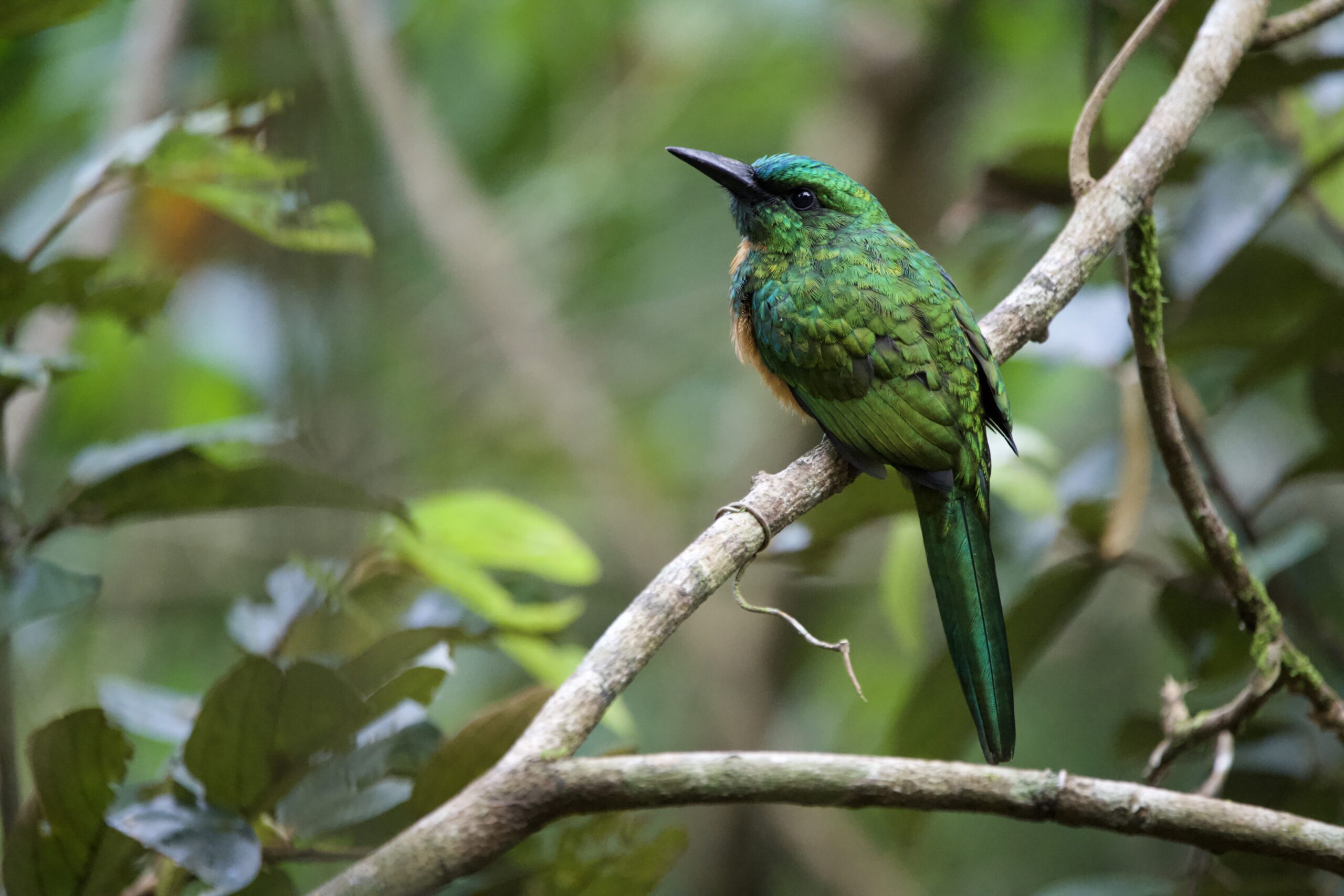
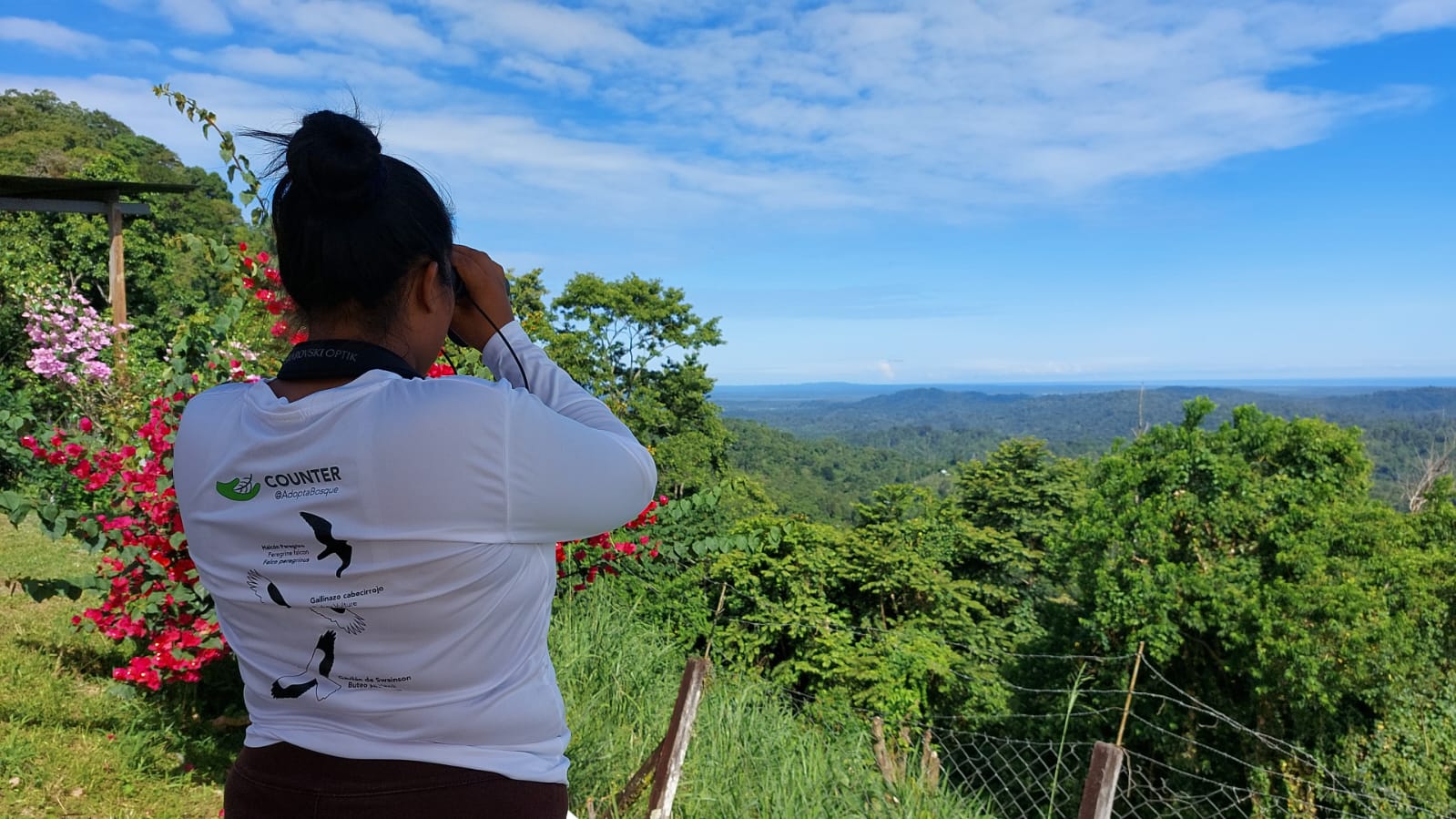
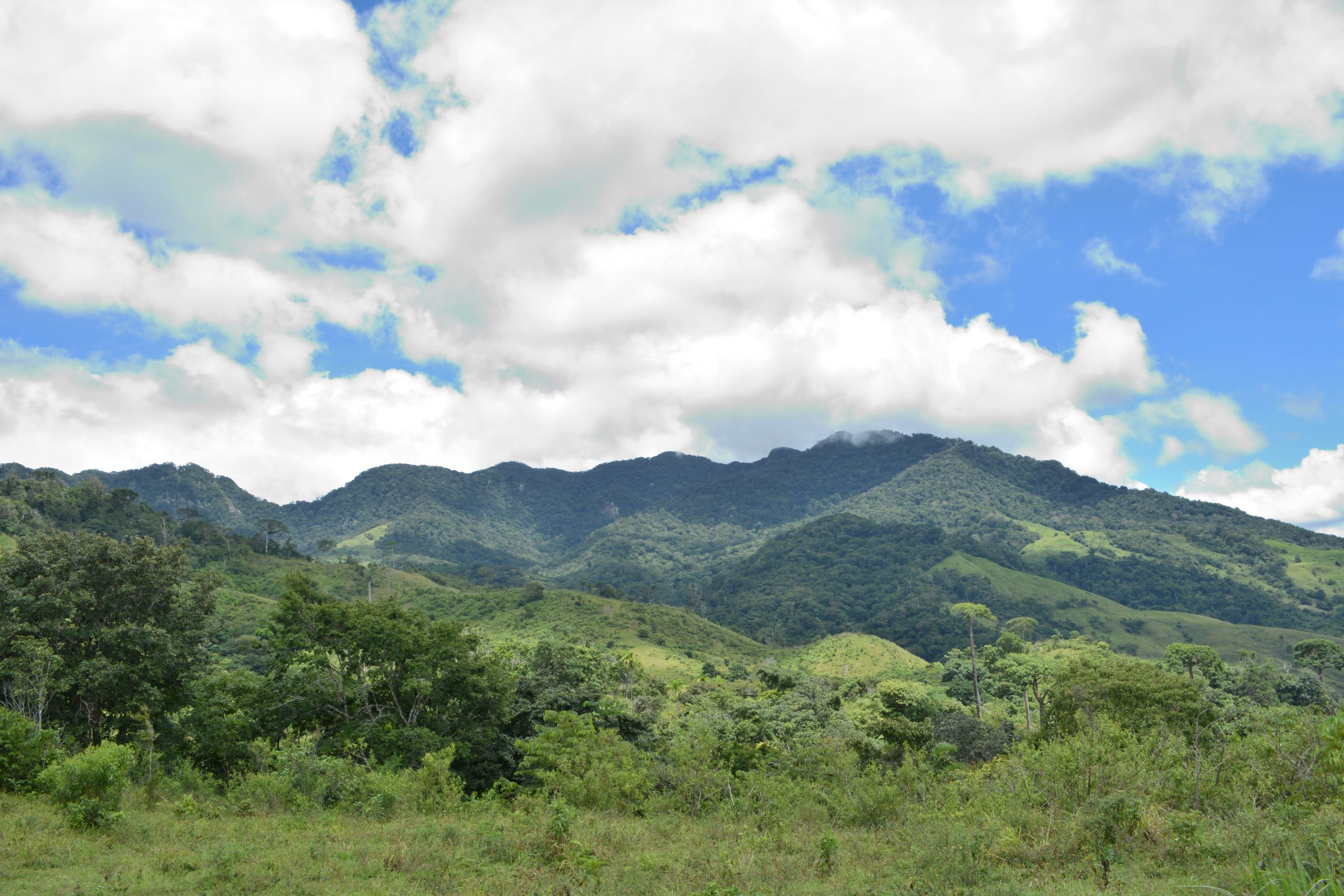
Environmental education is a critical tool for promoting conservation and sustainable development, especially in a biodiversity hotspot like Panama. It provides the public–from schoolchildren to policymakers–with a foundational understanding of complex ecological principles and the intricate connections between human activities and the natural world. By fostering this knowledge, we can empower people to make informed descisions that benefit both the environment and their communities.
This education goes beyond simply teaching facts; it cultivates a sense of stewardwhip and personal responsibility, encouraging individuals to become active participants in protecting their local ecoystems.
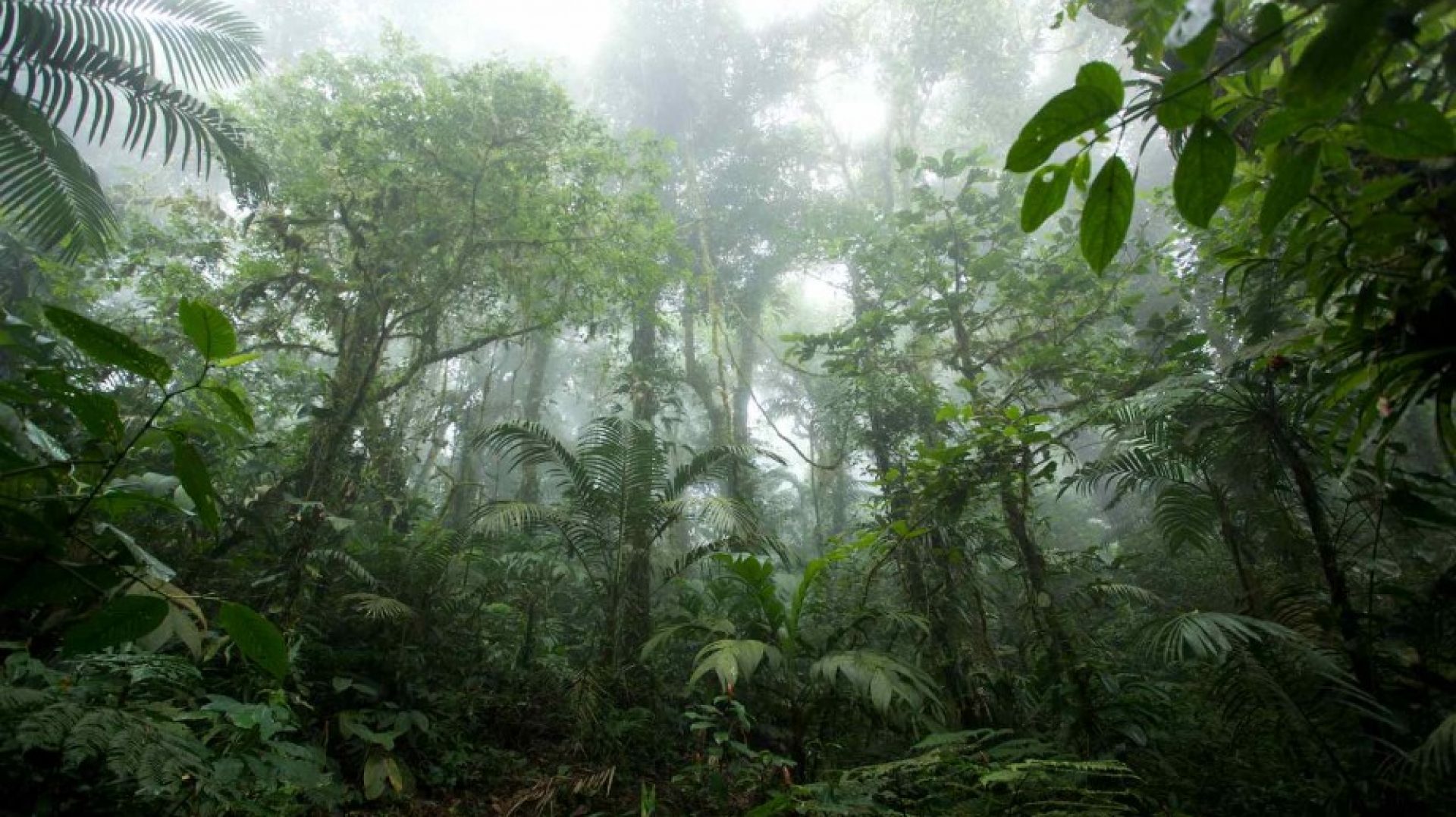
The importance of environmental education is particularly pronounced in the context of rainforests. These ecosystems are vital for global climate regulation, biodiversity, and the livelihoods of indigenous communities. Through educational programs, we can illuminate the immense value of these forests–not just as a source of raw materials, but as a living system that provides clean air, fresh water, and a home for countless species. Understanding the functions of a rainforest, such as carbon sequestration and water purification, helps people appreciate why their preservation is essential for both local well-being and global stability.
Furthermore, environmental education is key to fostering sustainable development. It teaches individuals and communities about practical, environmentally-friendly alternatives to traditional practices that may harm the rainforest. This can include promoting agroforestry, sustainable tourism, and efficient resource management. By equipping people with the knowledge and skills to adopt these practices, we can help them acheive economic prosperity without compromising the health of the environment for futures generations. This shift towards sustainability is crucial for ensuring that conservation efforts are not just temporary but are integrated into the very fabric of society.
Finally, environmental education plays a pivotal role in creating a culture of conservation. It inspires a new generation of environmental leaders and advocates, equipping them with the tools to addres future challenges. By nuturing an appreciation for nature from a young age, we can ensure that the next generation sees themselves as guardians of the rainforest, rather than its exploiters. This long-term investment in public awareness and engagement is the most powerful and sustainable way to secure a future where Panama’s natural heritage is protected and celebrated.
 Español
  English